1780932763967/image_0.jpeg

Event Security Sweeps That Reduce Risk

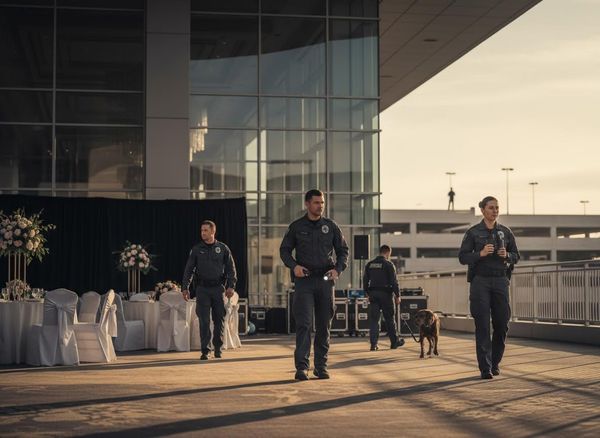
A venue can look controlled from the front gate and still carry risk behind the scenes. A loading dock left unchecked, an unsecured green room, a suspicious bag near staging, or a vehicle parked too close to a crowd line can change the security picture fast. That is why event security sweeps are not an extra layer added at the last minute. They are a core protective function that helps event organizers identify threats before they affect guests, staff, speakers, or performers.

For organizations operating in Washington, DC, the stakes are often higher. Political visibility, executive attendance, media presence, and dense urban environments create a different threat profile than a routine private gathering. In those settings, a sweep is not simply about checking a room. It is about confirming that the event footprint, support areas, entry points, and adjacent spaces are clear, controlled, and continuously monitored as conditions change.
1780934899011/image_0.jpeg

What event security sweeps actually involve

The term gets used loosely, which creates confusion. Some clients hear “sweep” and assume it means a single pre-event walk-through. In practice, effective event security sweeps are structured search operations built around threat prevention, not appearances.

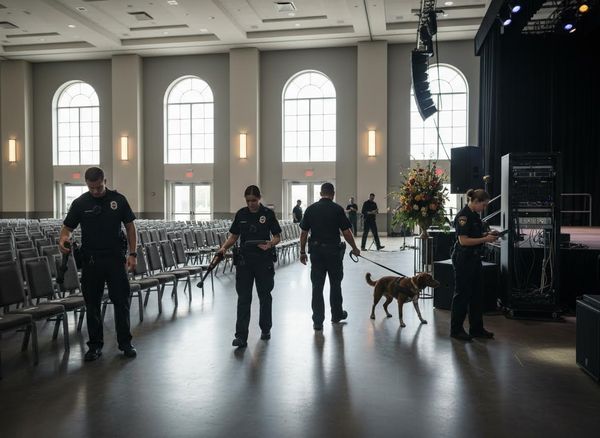
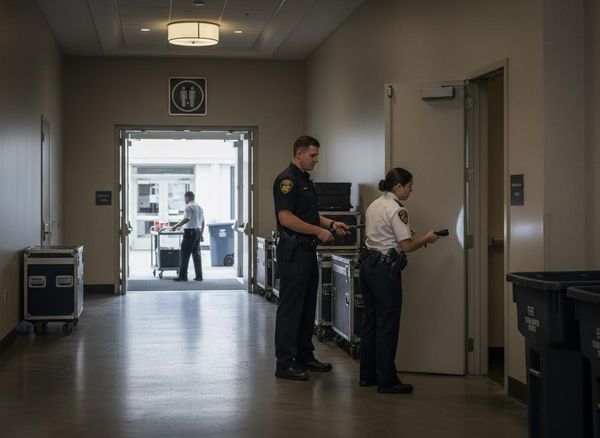
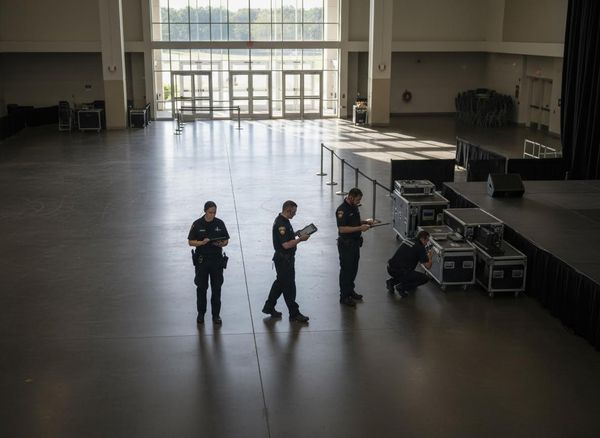
A proper sweep may include interior rooms, common areas, backstage spaces, temporary structures, restrooms, stairwells, rooftops, parking areas, delivery corridors, dumpsters, utility access points, and the exterior perimeter. If the event includes VIP attendance or elevated threat concerns, the sweep plan may also extend to approach routes, vehicle staging zones, and adjacent spaces that are outside the guest footprint but still relevant to risk.

The exact method depends on the venue, event profile, timeline, and threat environment. A charity gala, a school function, a political fundraiser, and a public festival do not require the same sweep posture. That is where experience matters. A disciplined team understands how to scale the operation without treating every event as identical.

1780935080279/image_0.jpeg

Why event security sweeps matter before doors open

The most valuable security decision is often the one made before the first guest arrives. Pre-event sweeps create a baseline. They help confirm that restricted areas are secure, suspicious items are identified early, and vendors or staff have not introduced vulnerabilities into the site during setup.

This matters because event spaces are fluid. Contractors move equipment. Deliveries come in through side access points. Temporary staff use rooms that were not part of the original plan. Multiple hands touch the venue before the public ever enters it. Without a sweep, organizers may assume control where none actually exists.

A strong pre-event sweep also improves decision-making. If a concern is found early, there is time to isolate the area, assess the item or condition, adjust access routes, and involve the appropriate response partners if needed. Once guests are arriving, every decision becomes harder. Evacuations are more disruptive. Messaging gets more sensitive. Reaction windows shrink.

1780498407839/image_0.jpeg

K9 detection changes the quality of a sweep

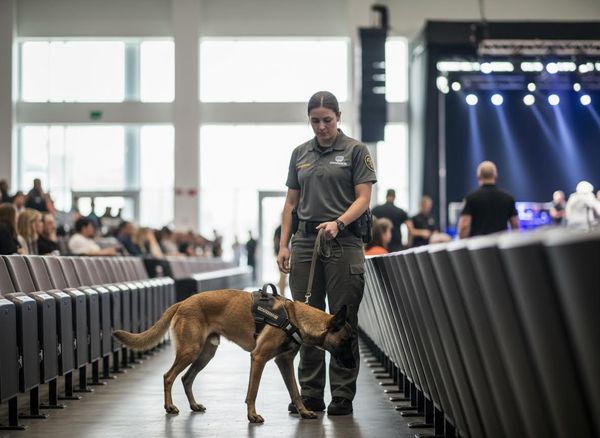
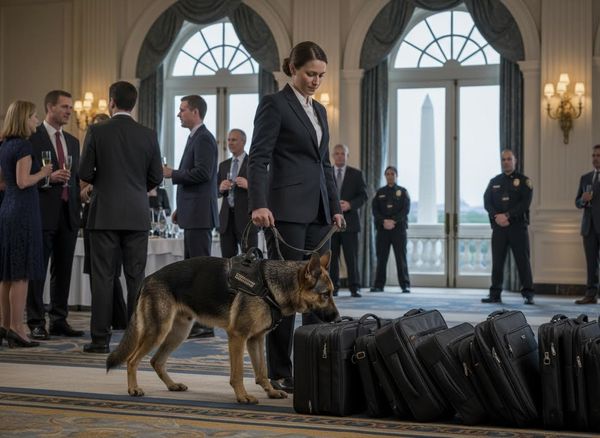
Not all sweep operations provide the same level of protection. Visual inspections are useful, but they have limits. Human teams can miss concealed threats, especially in large venues, cluttered staging zones, or fast-moving event environments. Certified detection dogs add a level of speed, precision, and deterrence that standard screening alone cannot match.

K9 teams can be deployed for explosive detection, firearm detection, narcotic detection, or contraband searches depending on the setting and client concern. For events, explosive detection is often a primary need, but that is not the only scenario. Some venues are focused on weapons interdiction. Others are managing school events, private functions, or restricted-access gatherings where contraband introduces safety and liability concerns.

There is also a practical advantage. A trained K9 team can search broad areas efficiently without creating unnecessary disruption. That makes canine sweeps especially effective for ballrooms, conference spaces, performance venues, parking structures, school campuses, and large outdoor footprints. When the team is well integrated with protective personnel, the operation remains controlled, discreet, and mission-focused.

1780935326969/image_0.jpeg

Sweeps are not one-time tasks

One of the most common mistakes in event planning is treating the sweep as complete once the initial search ends. Real-world security does not work that way. A venue that was clear at 2:00 p.m. is not automatically clear at 6:30 p.m. after deliveries, staff movement, open access periods, guest arrival, and changing perimeter conditions.

That is why serious event security sweeps often happen in phases. There may be an advance sweep before setup is finished, a final sweep before doors open, targeted resweeps of sensitive areas during the event, and follow-up checks after any suspicious activity, unauthorized access, or perimeter breach.

This layered approach is especially important for high-profile or long-duration events. If a speaker of interest, elected official, executive, or dignitary is expected, the protective plan must account for timeline changes, holding areas, route adjustments, and last-minute access demands. Security coverage has to move with the event, not lag behind it.

smith-barren-roscoe (1).jpeg

The role of authority and enforcement presence

A sweep identifies concerns. The next question is what happens when a concern is found.

That is where many providers fall short. A basic security vendor may be able to report suspicious activity, but not control the scene with the authority and command presence required. In more sensitive environments, that gap matters. When access must be restricted, a person detained, a perimeter locked down, or a rapid security decision enforced, the team on site needs more than observation skills.

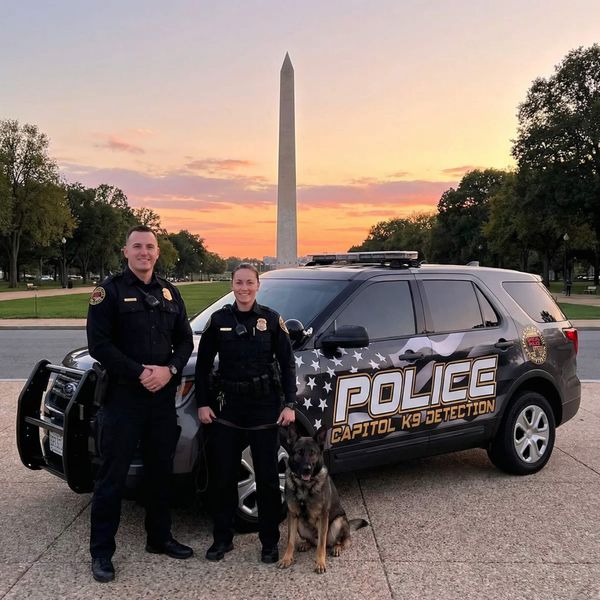
For certain events in the DC area, combining detection capability with commissioned Special Police authority, such as that of Capitol K9 Detection, creates a stronger security posture. It allows a single provider to support deterrence, screening, controlled access, incident response, and enforcement-oriented action when the situation calls for it. That does not mean every event needs the same posture. It means the plan should match the risk, and the provider should be equipped to act rather than simply document.

1780935467114/image_0.jpeg

What organizers should expect from a professional sweep plan

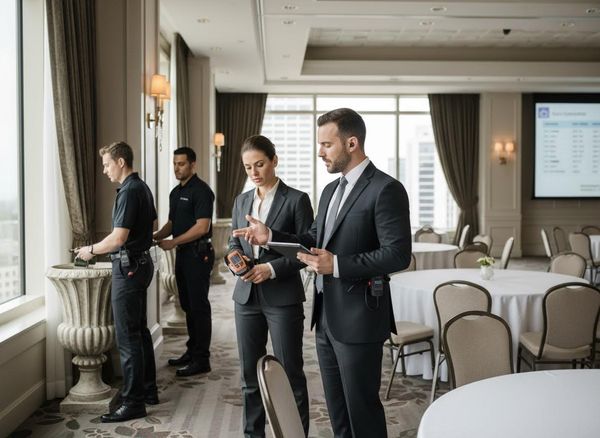
A credible sweep operation starts with assessment, not assumptions. The security team should understand the event type, venue layout, guest profile, schedule, staffing pattern, vendor activity, and known concerns. From there, the sweep plan should define what areas will be searched, when searches will occur, who controls cleared spaces afterward, and what escalation procedures apply if something suspicious is found.

Organizers should also expect clear communication. If a room is swept and secured, that status must be maintained. If a loading door is reopened, the area may need to be checked again. If a VIP movement changes, the sweep footprint may need to expand. Good security teams communicate these realities early so there is no false confidence.

Discretion matters too. The best event security work is often visible enough to deter problems and controlled enough not to disrupt the guest experience. That balance depends on staffing discipline, command structure, and experience in live environments where presentation matters alongside protection.

1780935608231/image_0.jpeg

Common gaps that increase event risk

Security problems often come from overlooked basics rather than dramatic failures. A venue may have guest screening at the front entrance but no sweep of the service corridor. A ballroom may be checked thoroughly while restrooms, maintenance closets, and exterior trash areas receive little attention. A VIP holding room may be secured early, then reopened by staff without a resweep.

Another common gap is poor coordination between event operations and security operations. If production teams, caterers, decorators, and transportation vendors are moving freely without a controlled plan, the sweep loses value quickly. Cleared areas stay secure only when access is managed after the search.

There is also the issue of timing. A rushed sweep performed too close to doors can create pressure to overlook anomalies or defer decisions. Starting earlier gives the security team room to act methodically, and it gives the organizer room to make smart calls without operational panic.

1780935719204/image_0.jpeg

Choosing the right level of sweep support

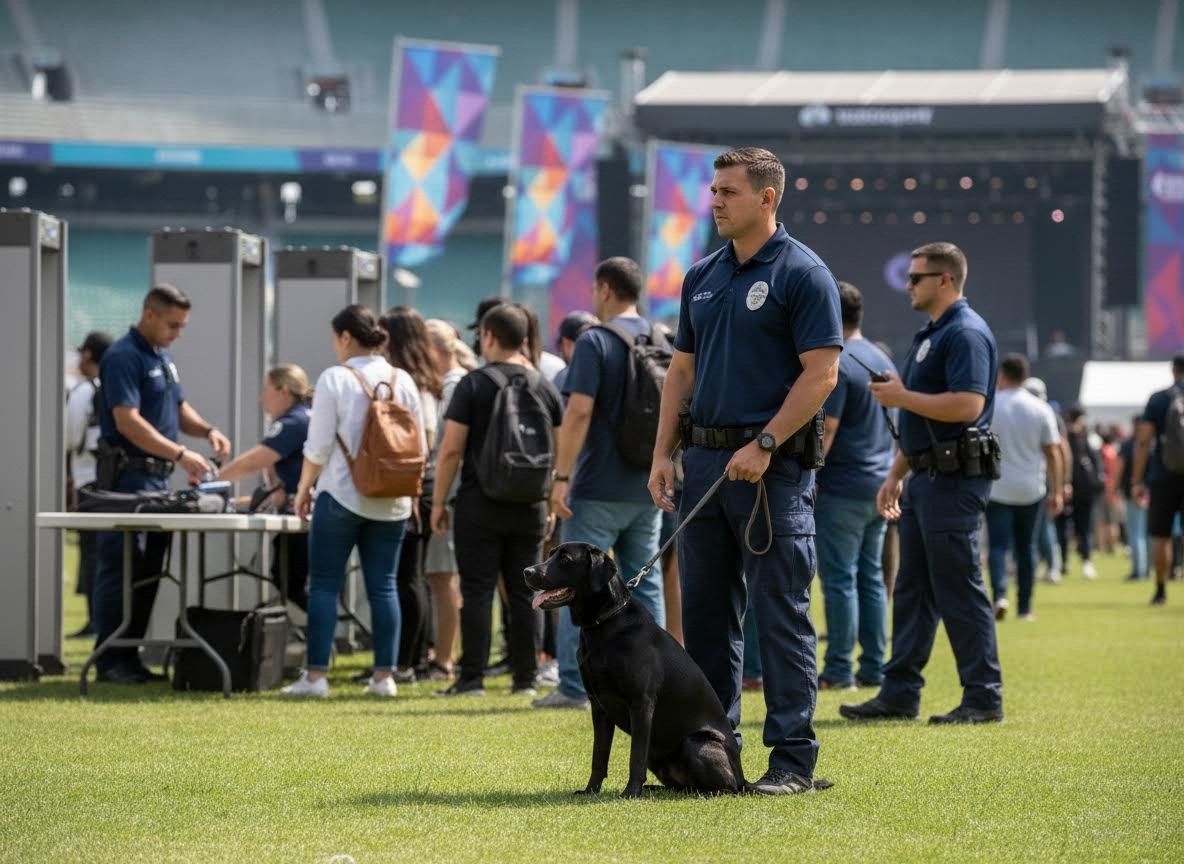
The right solution depends on exposure. A private corporate reception may need pre-event screening and discreet perimeter coverage. A school event may require contraband interdiction and active monitoring of entry points. A public-facing event with executive attendance may call for K9 sweeps, access control, visible uniformed presence, and contingency planning for emergency response.

That is why a one-size-fits-all model does not serve serious clients well. The better approach is to build around the venue, the audience, the profile of attendees, and the consequences of failure. In the Washington region, where events often intersect with government, advocacy, media, and high-value targets, the margin for error is narrow.

Capitol K9 Detection supports this environment with specialized K9 detection services and commissioned officer capabilities designed for real operational demands. The value is not only in finding threats. It is in creating a controlled, ready posture before those threats have the chance to disrupt the mission.

The strongest events rarely feel dramatic from a security standpoint, and that is the point. When a sweep is planned correctly, executed professionally, and supported by the right personnel, the environment stays calm because the risks were addressed before they had room to grow.