Executive and Dignitary Protection Explained

A late calendar change, an unannounced venue walk-through, a crowded arrival line, and a public schedule posted online - that is how exposure builds. Executive and dignitary protection exists to control those variables before they become incidents. For leaders, public officials, diplomats, and other high-visibility individuals in Washington, DC, protection is not about appearance. It is about threat reduction, continuity, and keeping movement disciplined under pressure.

In the DC area, the risk picture is different from most markets. Political visibility, media attention, advocacy activity, international delegations, and dense event schedules create an operating environment where a routine meeting can carry elevated security concerns. The right protective posture has to account for public access, traffic choke points, credentialing gaps, insider risk, and the possibility that a low-level disruption can escalate quickly.
Contact Us

special1.jpg

What executive and dignitary protection actually covers

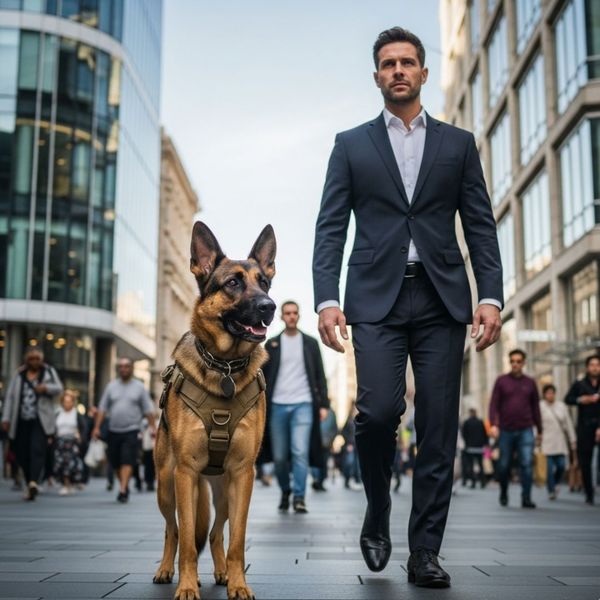
At a professional level, executive and dignitary protection is a coordinated security function built around advance planning, protective presence, route management, site assessment, access control, and immediate response capability. The objective is not simply to place a bodyguard next to a principal. The objective is to build a controlled environment around the principal's movements, schedule, and interactions.

That distinction matters. A visible escort may reassure a client, but reassurance alone does not reduce risk. Effective protection starts earlier, with threat-informed planning. Teams review locations, identify choke points, assess arrival and departure procedures, coordinate with venue stakeholders, and determine where the principal is most exposed. They also prepare for contingencies such as protest activity, suspicious packages, medical events, vehicle access issues, and crowd compression.

For dignitaries, the protection model often becomes more complex. Diplomatic sensitivity, protocol requirements, public-facing appearances, and larger support entourages can introduce friction if the operation is not tightly managed. Protection has to remain discreet while still maintaining command presence and clear control over movement.

special2.jpg

Why high-profile clients need more than basic security

Basic guard coverage and executive protection are not interchangeable services. Guard services are usually fixed-post and property-focused. Protective operations are mobile, intelligence-led, and centered on a person whose schedule, exposure level, and threat profile can change by the hour.

An executive may need secure movement between a corporate office, hotel, private residence, and evening event. A dignitary may require layered screening, protected arrival corridors, coordination with drivers, and immediate adjustment when public conditions change. In both cases, the protection team has to think ahead, not just react.

This is especially true in environments where public access cannot be eliminated. Hospitals, schools, government-adjacent buildings, conference venues, transportation hubs, and public events all create overlapping security demands. The principal still needs to move, meet, speak, and operate. Protection has to preserve that access without surrendering control.

special3.jpg

The operational core of executive and dignitary protection

A strong protective operation is usually built on three phases: advance work, active coverage, and post-movement reassessment.

Advance work is where most risk is either reduced or missed. Before the principal arrives, the team studies the site, entry points, parking, elevator access, holding rooms, emergency exits, and likely crowd patterns. If the assignment involves a public event, protective personnel also look at screening procedures, bag policies, credential verification, and how quickly a disruption could spread through the venue.

Active coverage is the visible and invisible work during movement. Personnel monitor spacing, maintain awareness around approach routes, control contact points, and manage any shift in the principal's schedule. The goal is calm control. Good teams do not create unnecessary friction, but they do not allow casual access where it should not exist.

Post-movement reassessment is often overlooked, yet it is part of a disciplined operation. Teams document incidents, identify vulnerabilities, refine routes, and adjust future coverage based on what actually happened, not what was expected.

home 1.jpg

Where K9 support strengthens protective operations

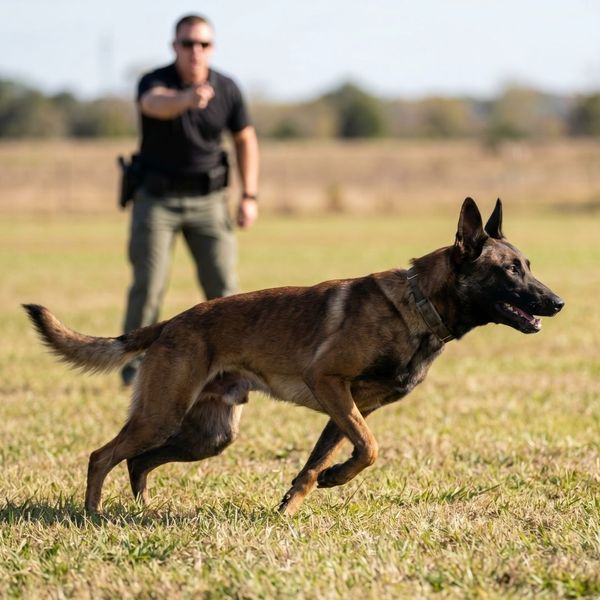
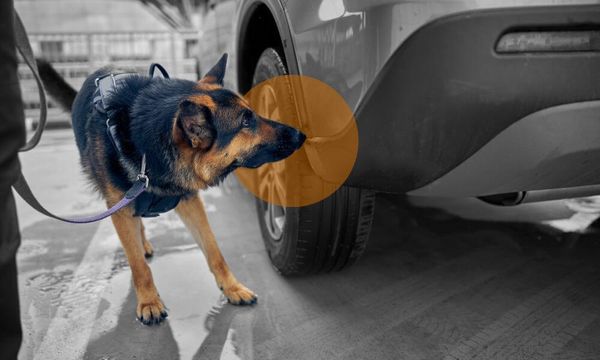
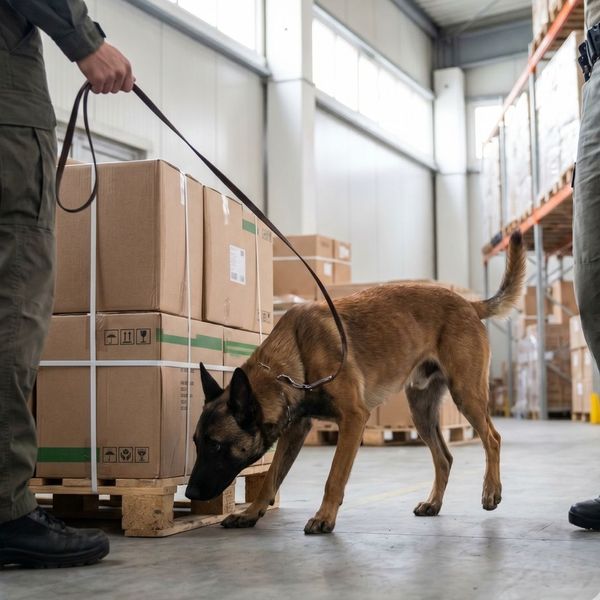
In some assignments, personnel alone are not enough. That is where specialized detection capability changes the protection equation. K9 screening can add a layer of confidence before an executive enters a boardroom, a green room, a vehicle area, a loading zone, or an event venue.

This matters most when the environment includes unknown deliveries, shared access, public foot traffic, or compressed event timelines. Explosive and firearm detection can support advance sweeps and selective area screening, while also creating a visible deterrent effect. In a city like Washington, where high-profile appearances often occur in mixed-access spaces, that additional layer is practical, not cosmetic.

The trade-off is that K9 deployment should be purposeful. Not every movement requires a canine team, and overusing visible assets can complicate logistics or signal a threat posture that is stronger than the situation calls for. The right approach depends on the venue, audience size, public exposure, and the sensitivity of the principal.

Executive protection.jpg

What clients should expect from a serious protection provider

Professional executive and dignitary protection begins with a direct assessment of risk, not a generic staffing quote. A qualified provider should ask where the principal is going, who will be present, how the schedule may change, what type of public visibility is expected, and whether there are concerns tied to protest activity, contentious business issues, litigation, termination events, or political exposure.

Clients should also expect clarity on command structure. Who is in charge on site? Who coordinates movement? Who communicates with venue staff, drivers, or support personnel? Without clear control, even experienced personnel can work at cross-purposes.

Discretion is another non-negotiable. Protective presence should be professional and composed. That may mean a low-profile posture in one environment and a stronger deterrent posture in another. It depends on the principal's profile, the venue, and the likely threat. The best operations are adaptable without becoming improvisational.

Legal authority and training standards matter as well. In Washington, DC, clients often need more than observation and reporting. They need a provider capable of enforcing access control, responding decisively, and integrating protection with broader site security measures when required. That is one reason many organizations look for a partner that can combine personal protection with law enforcement capabilities and specialized k9 detection support.

1780497350758/image_0.jpeg

Common scenarios where protection makes the difference

Executive and dignitary protection is often associated with motorcades and televised appearances, but most assignments are more practical than dramatic. A CEO attending a contentious shareholder meeting may need secure arrival and controlled exit. A healthcare executive facing elevated public attention may need temporary residential protection and movement support. A visiting official may need venue coordination, perimeter awareness, and screening support for a private gathering.

The same is true for schools, hospitals, and institutional clients hosting VIP visitors. The challenge is rarely just the principal. The challenge is managing staff movement, public access, deliveries, media presence, and compressed schedules at the same time.

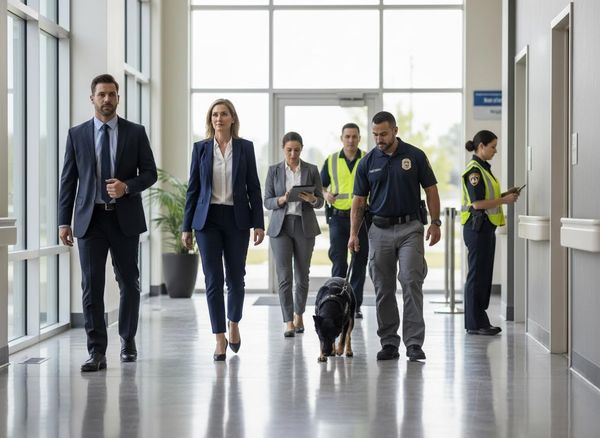
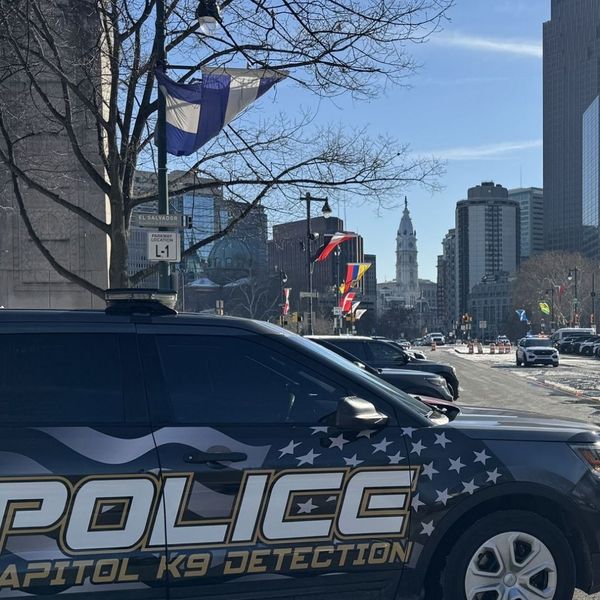
In those situations, a single-provider model can be a major advantage. A team that can support access control, crowd management, emergency response, and K9 screening alongside close protection creates fewer handoff gaps. Capitol K9 Detection operates in that lane, with services designed for organizations and individuals that need protective coverage backed by operational authority and specialized field capability.

1780497450931/image_0.jpeg

Choosing the right level of protection

More security is not always better security. An oversized detail can slow movement, interfere with business, and draw the wrong kind of attention. An undersized detail can leave obvious gaps at entrances, transitions, and public contact points. The correct level of coverage depends on exposure, location profile, duration, crowd conditions, and how predictable the schedule will be.

For some clients, a plainclothes protective presence with advance coordination is enough. For others, the assignment may call for layered staffing, vehicle support, credential checks, and selective K9 sweeps. The decision should come from real operational analysis, not assumptions or image concerns.

What matters most is readiness. High-profile clients do not need theater. They need disciplined planning, strong situational awareness, and a team that can recognize risk early and act without hesitation. In executive and dignitary protection, the best outcome is often the least visible one: the schedule stays intact, the environment stays controlled, and the principal can focus on the reason they are there in the first place.

When protection is built correctly, it does more than respond to danger. It gives leaders room to move with confidence, even in environments that do not offer much margin for error.