1780932713776/image_0.jpeg

Narcotic Detection Dog Services Explained

A single narcotics incident can trigger far more than a policy violation. In a school, it can become a student safety crisis. In a corporate setting, it can expose liability and damage trust. At a public event or residential property, it can shift a routine security concern into an urgent operational problem. That is why narcotic detection dog services are not a cosmetic add-on. They are a practical, visible, and highly effective layer of threat prevention.

For organizations in the Washington, DC region, the question is rarely whether drug-related risks exist. The real question is how to address them without disrupting operations, escalating tensions unnecessarily, or relying on guesswork. A trained detection dog team gives decision-makers a fast, discreet, and proven way to identify narcotics risk before it spreads.
1780933835084/image_0.jpeg

What narcotic detection dog services actually do

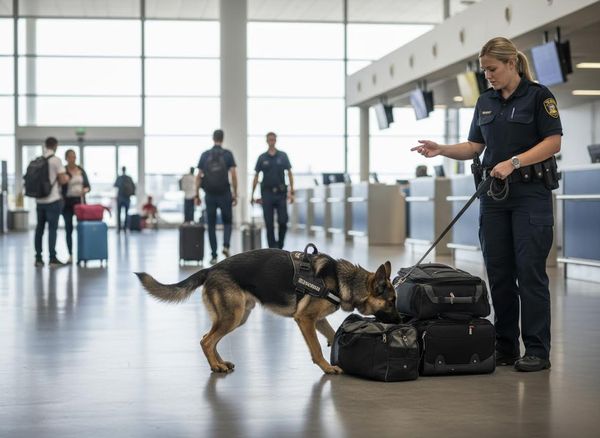
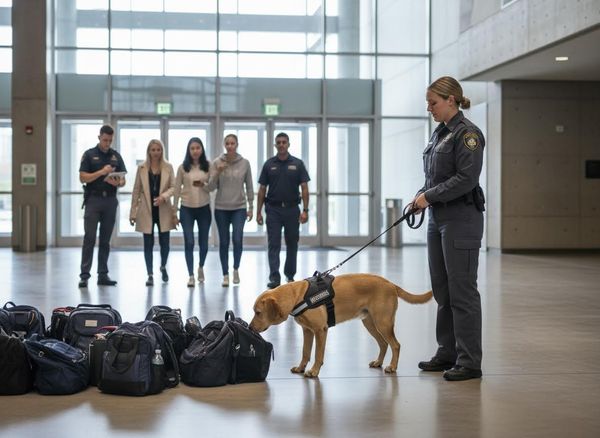
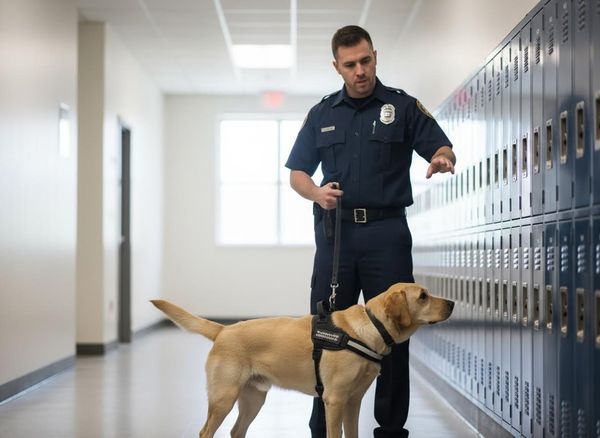
Narcotic detection dog services are built around one core function - locating the odor of illegal drugs and controlled substances through trained canine detection. That sounds simple, but the value is operational. A skilled dog can screen areas, vehicles, bags, rooms, lockers, common spaces, and other environments much faster than manual searching alone.

The best deployments are not random displays of force. They are structured security operations. Handlers read canine behavior, control the search pattern, protect the integrity of the environment, and report findings through a disciplined process. When the provider also understands enforcement protocols, property rules, and escalation procedures, the service becomes more than detection. It becomes part of a complete security strategy.

This matters because detection by itself is only one step. Clients also need a plan for what happens next. In some settings, the priority is quiet identification and internal response. In others, it is immediate intervention, removal, law enforcement coordination, or evidence-sensitive handling. The right team understands that context before deployment begins.

1780933884117/image_0.jpeg

Where narcotic detection dog services are used

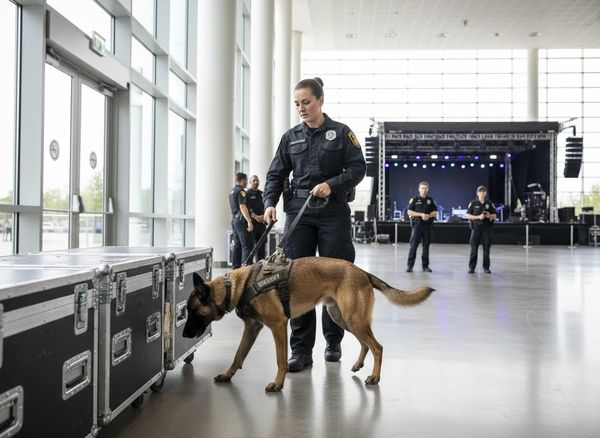
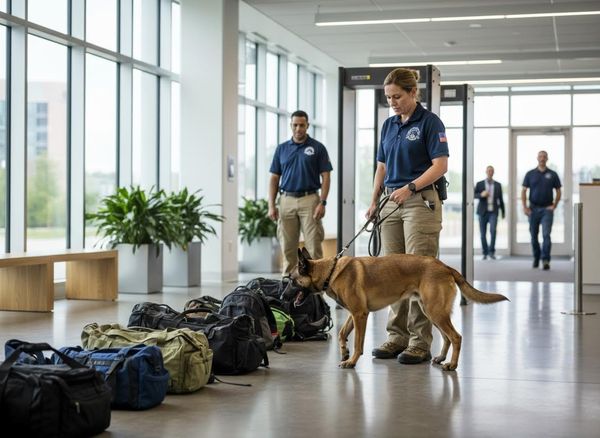
Drug detection is often associated with schools and law enforcement, but the actual use cases are broader. Office buildings use canine teams to support workplace safety and enforce zero-tolerance policies. Event organizers use them to screen venues, back-of-house areas, and entry points where contraband can create safety and liability concerns. Residential communities and property managers may use them when recurring narcotics activity affects tenants, staff, or shared spaces.

Healthcare environments can also benefit, particularly where controlled substances, vulnerable populations, or public access areas create elevated risk. Transportation-adjacent sites, parking facilities, and loading zones are another common concern because narcotics movement often intersects with vehicle traffic and transient access.

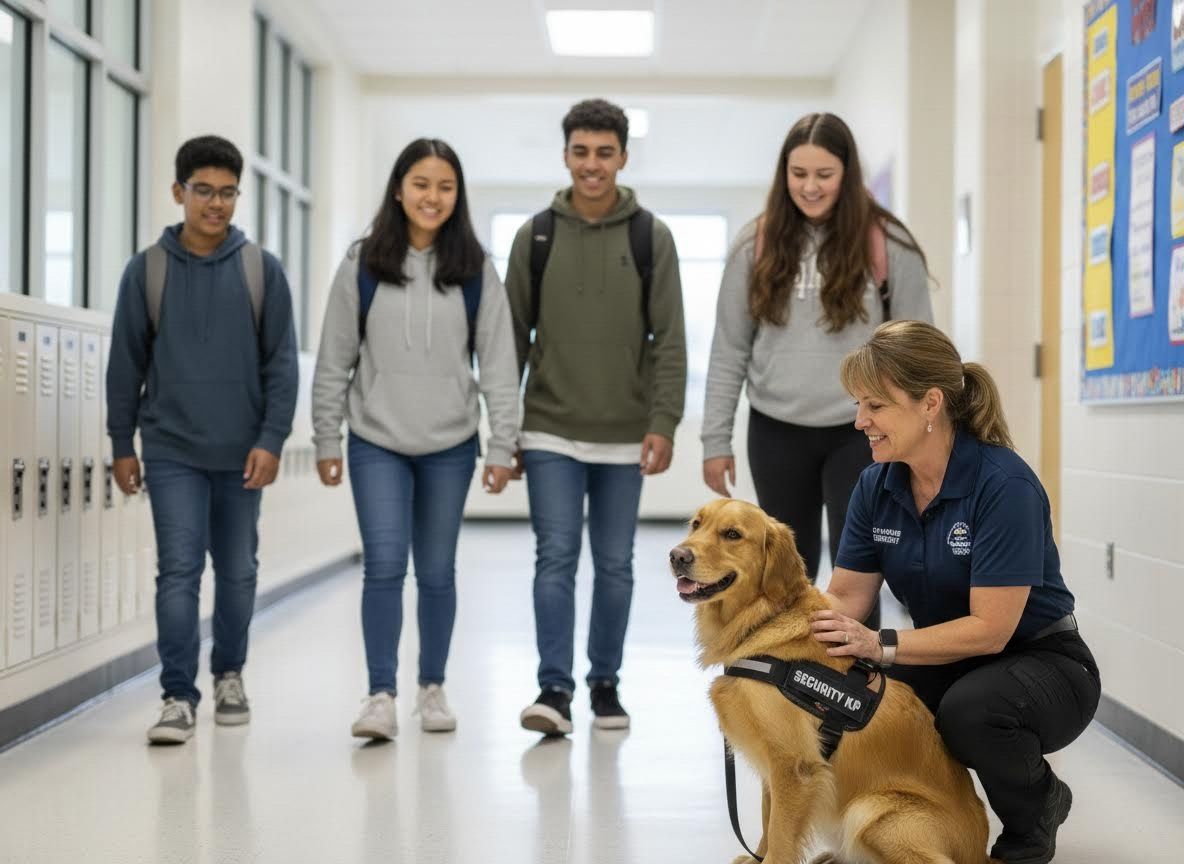
Schools remain a high-priority environment, but they require careful execution. The purpose should be prevention, safety, and deterrence - not spectacle. A professional team works within established administrative expectations, respects the sensitivity of the setting, and keeps the operation focused on protecting students, staff, and campus integrity.

1780933979079/image_0.jpeg

Why canine detection works so well

A trained detection dog offers speed, accuracy, and deterrence at the same time. That combination is hard to match with technology alone. Dogs are capable of identifying trace odors that may not be obvious through visual inspection, and they can search dynamic environments quickly without the delays of a full manual sweep.

There is also a behavioral effect. A visible canine presence changes decision-making. People who might otherwise attempt to bring narcotics into a facility, venue, or property often reconsider when they know screening is active. In security terms, that deterrent value matters just as much as the actual finds.

Still, results depend on training and handler quality. Not every dog team is equal. A properly trained narcotics detection dog must work reliably in varied environments, around noise, distractions, crowds, and changing conditions. The handler must know how to deploy the dog professionally, recognize the alert behavior, avoid contamination of the search, and communicate clearly with the client.

1780934082074/image_0.jpeg

What to expect from a professional deployment

A serious provider begins with mission planning. That means understanding the site, the risk profile, the client’s authority over the property, and the operational objective. A school sweep before classes begin is not handled the same way as a late-night nightclub operation, a corporate workplace screening, or a dignitary-protection support assignment.

The next phase is deployment design. Some clients need overt deterrence with a visible K9 presence. Others need discreet screening to avoid alarming guests, employees, or residents. Search areas, timing, access control, reporting lines, and response authority should all be defined in advance.

During the operation, the dog team should work methodically and remain under full handler control at all times. Professionalism is especially important in sensitive settings where public confidence matters. If an alert occurs, the team should follow the agreed protocol rather than improvising. That may involve notifying management, isolating the area, coordinating with authorized security personnel, or supporting a legally appropriate next step.

Post-operation reporting is another sign of a capable provider. Clients should know what areas were searched, whether alerts occurred, and what actions were taken. Good reporting supports internal accountability, policy enforcement, and future planning.

smith-barren-roscoe (1).jpeg

Choosing the right provider for narcotic detection dog services

The right provider is not just a company that has dogs. It is a security partner that understands lawful deployment, environment-specific risk, and command-level execution. Training records, certifications, handler competence, and operating standards all matter.

For many clients, especially in the DC area, authority and integration matter too. A provider that can align canine detection with broader protective services gives clients more control and fewer gaps. If an issue develops beyond simple detection, the response should not depend on guesswork or fragmented vendors. A coordinated team can move from screening to enforcement support, perimeter control, executive protection, or incident stabilization as needed.

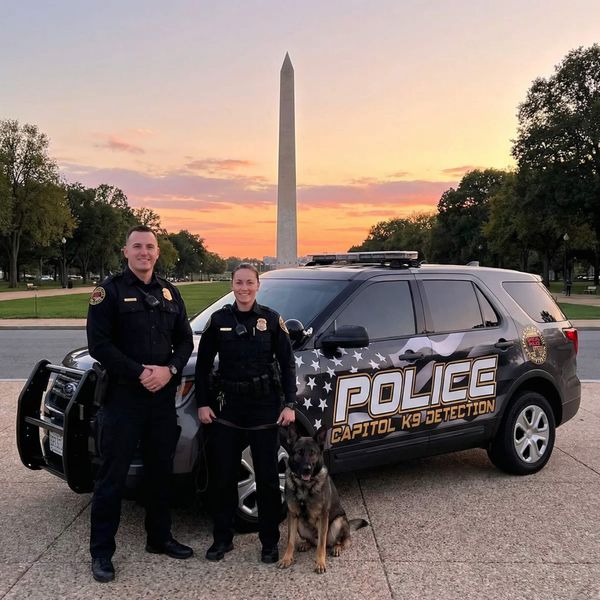
Capitol K9 Detection operates in that space by combining specialized K9 capabilities with protective services and DC Special Police support. For clients managing higher-risk environments, that kind of integrated model can be a meaningful operational advantage.

That said, the right scope depends on the site. A private office may need periodic preventive sweeps. A school may want scheduled screenings tied to campus safety planning. A major event may require active K9 presence before doors open and throughout the program. More security is not always better if it is poorly targeted. The best deployment is the one that matches the actual risk.

1780934236987/image_0.jpeg

Common misconceptions about narcotics dog operations

One common misunderstanding is that canine detection is automatically disruptive. In reality, a trained team can work quickly and with minimal interruption when the operation is planned correctly. Another misconception is that detection dogs replace all other security measures. They do not. They are highly effective, but they work best as part of a broader security framework that may include trained officers, access control, surveillance, and response protocols.

There is also the assumption that every alert leads to the same outcome. It does not. The response depends on the location, the client’s authority, the applicable policies, and whether law enforcement involvement is required. That is why experienced handlers and clear pre-mission planning are so important.

Finally, some organizations wait until a pattern of incidents is already established. That approach usually costs more in disruption, reputation, and safety exposure. Detection services are most valuable when used proactively.

1780934294416/image_0.jpeg

When it makes sense to bring in a K9 team

If your organization has seen recurring contraband concerns, unexplained behavioral incidents, suspicious traffic patterns, policy violations, or elevated risk tied to public access, a narcotics detection deployment may be warranted. The same is true if you are preparing for a large event, reopening a sensitive site, or responding to stakeholder concerns about safety.

The decision does not have to be reactive. Many of the strongest security programs use periodic, intelligence-driven canine sweeps to reinforce standards, reduce opportunity, and demonstrate active vigilance. That is especially relevant in environments where safety expectations are high and reputational risk is real.

A well-run narcotics detection operation sends a clear message. Security is present. Standards are enforced. Risks are being addressed before they escalate. For organizations that cannot afford uncertainty, that level of readiness is often what turns a vulnerable site into a controlled one.

The strongest security posture is built before a problem becomes visible, and the right canine team helps you hold that line with confidence.