Homepage V3.jpg

Private Special Police Services in DC

A uniformed presence can slow down bad decisions before they turn into emergencies. But for many properties, events, and institutions in Washington, DC, a standard guard force is not enough. Private special police services fill the gap between basic private security and public law enforcement by bringing commissioned authority, stronger enforcement capability, and a higher level of operational control to sensitive environments.

That distinction matters when your security program has to do more than observe and report. If you are protecting a school, managing access at a medical facility, securing a corporate campus, or overseeing a high-traffic event, you may need personnel who can lawfully detain, arrest, investigate, and enforce municipal laws as well as property rules with greater authority, and respond with command presence under a clear legal framework. In the right setting, that changes the entire security posture.
1781016595715/image_0.jpeg

What private special police services actually provide

Private special police services are not simply an upgraded guard detail. In DC, Special Police Officers operate under specific government authority and are commissioned to perform defined law enforcement functions. That gives clients a more capable protection option for environments where visible deterrence, fast intervention, and controlled enforcement are essential.

The practical benefit is straightforward. A commissioned Special Police presence can help reduce delays during incidents, strengthen site control, and give staff, residents, visitors, or event attendees more confidence that personnel have the authority to act when needed. This is especially valuable in places where the threat of violence are higher, disputes escalate quickly, trespassing is a recurring issue, or asset protection requires more than passive monitoring.

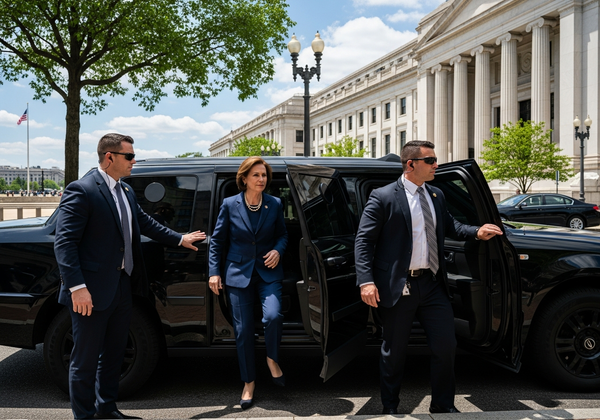
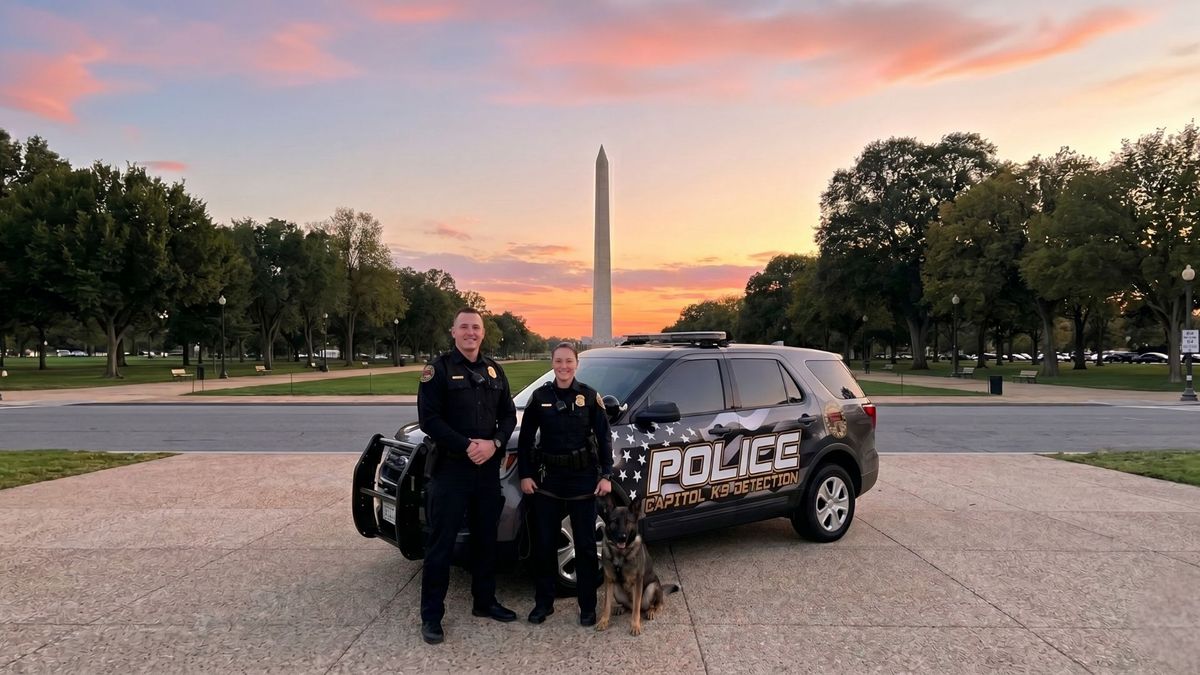
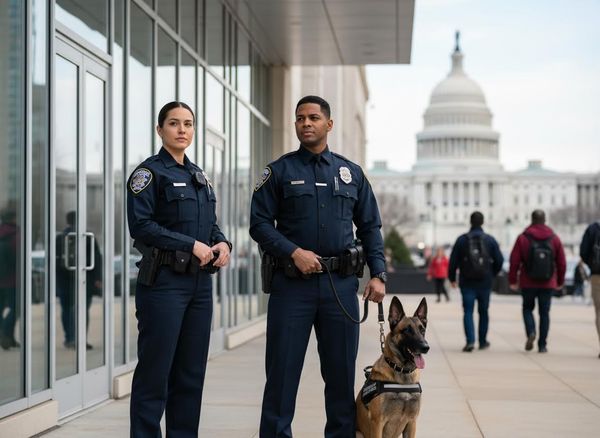
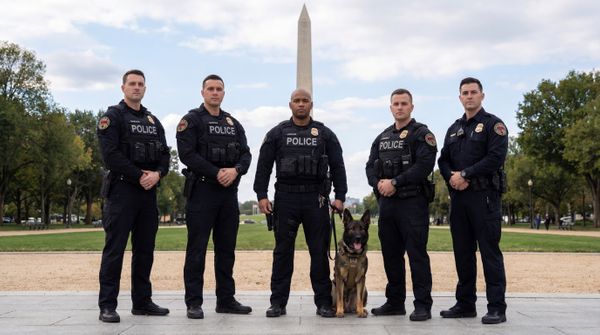
The best providers also build these services around a broader protection strategy. That may include access control, patrol operations, emergency response support, crowd management, executive protection, and specialized K9 deployments for explosives, firearms, narcotics, or contraband detection. When those capabilities are integrated under one command structure, clients avoid the confusion that comes from piecing together multiple vendors during a live security operation.

group 1

Why private special police services matter in DC

Washington, DC is not an ordinary security market. The region includes government facilities, diplomatic activity, schools, hospitals, transportation hubs, residential communities, and high-visibility events, all operating under elevated expectations. The threat picture is wider, the public exposure is higher, and the cost of a weak response can be significant.

That is why many organizations look beyond conventional guard coverage. Private special police services are often a better fit where the environment demands both professionalism and enforceable control. A front desk officer who can greet visitors is useful. A commissioned officer who can manage unauthorized entry, support emergency actions, and hold a perimeter under pressure is a different asset entirely.

This does not mean every site needs the highest possible security posture. It depends on traffic volume, prior incidents, public visibility, regulatory expectations, and the likelihood of escalation. A low-risk office with predictable daytime access may not require special police coverage every hour of the day. A school campus, public-facing facility, high-end residential property, or event venue with large crowds may reach a very different conclusion.

1781017454142/image_0.jpeg

Where private special police services are the right fit

The strongest use cases are usually environments where basic guarding leaves too much operational risk on the table. Schools and universities often need a security presence that can deter trespassing, respond decisively to disturbances, and support lockdown or evacuation procedures. Medical facilities face a different mix of risks, including disorderly conduct, visitor disputes, patient-related incidents, and the need for controlled access without creating unnecessary alarm.

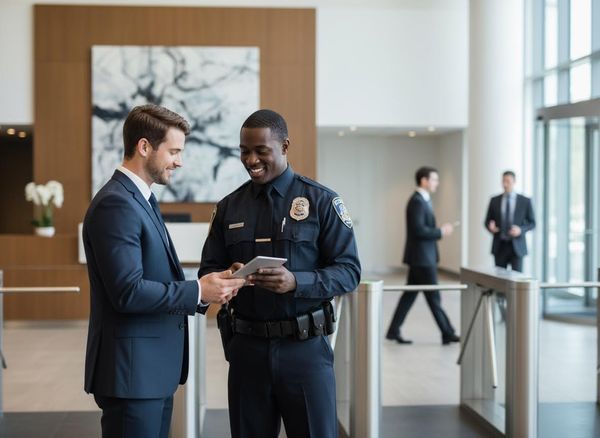
Corporate properties and commercial buildings benefit when there is a need for both professionalism and authority. This is common in offices that receive executive visitors, manage sensitive information, or face recurring problems with loitering, workplace disputes, or unauthorized access. Event organizers also rely on special police capabilities when crowd control, VIP movement, bag screening, and rapid incident intervention must work together under pressure.

Residential communities are another example. HOAs, luxury buildings, condominium associations, and mixed-use properties often want more than a concierge-style presence. They need a team that can maintain order, deter intrusion, address disturbances, and support residents with a measured but credible response. Having a private police force dedicated to these types of residences provides immeasurable value.

1781019134585/image_0.jpeg

The value of K9 integration

One of the clearest advantages in modern security operations is the integration of special police authority with trained detection dogs. That combination extends security beyond visible presence and into active threat detection.

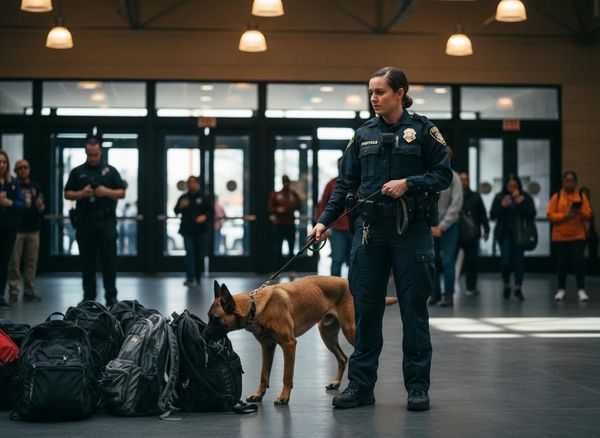
A K9 team can screen for explosives, firearms, narcotics, or other contraband in ways that are fast, mobile, and highly effective in dynamic settings. For event venues, transportation-related sites, schools, and facilities with elevated threat concerns, that added layer changes how security is planned. It is no longer just about reacting to behavior. It is about detecting hidden risk before it becomes an incident.

This matters because many threats do not announce themselves. A person may appear calm while carrying contraband. A package may look routine while containing a serious hazard. A crowd may seem orderly until one overlooked vulnerability creates panic. Special police officers establish control and enforcement presence. K9 teams add a specialized screening capability that helps uncover what visual observation alone can miss.

For clients, the operational value is efficiency. Instead of coordinating one vendor for guards, another for executive protection, and another for detection screening, a unified provider, such as Capitol K9 Detection, can align staffing, reporting, escalation procedures, and site command. That reduces communication gaps at the exact moment you can least afford them.

1781019102556/image_0.jpeg

How private special police services differ from standard guard coverage

The biggest difference is authority, but that is not the only one. Standard security guards often serve an important role in observation, reporting, access monitoring, and customer-facing duties. In many lower-risk environments, that is entirely appropriate. But when the site requires law enforcement capability and stronger incident control, guard services may have clear limits.

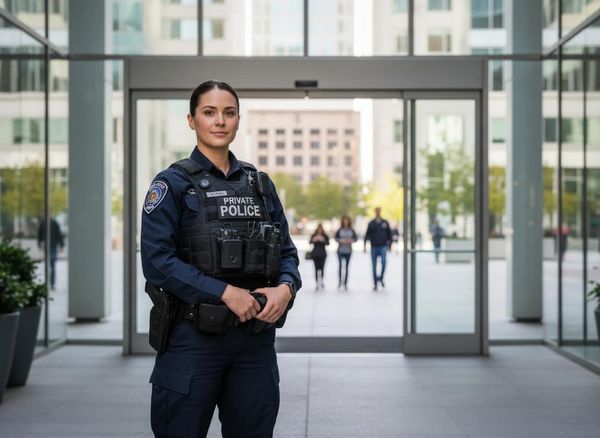
Private special police services typically support a more assertive security posture. Special Police Officers, SPOs, are commissioned law enforcement officers, with a duty to the client and not to the general public. Officers are expected to operate with stronger situational awareness, clearer response protocols, and a higher level of readiness. The presence itself tends to deter misconduct more effectively because people recognize that the officer is not there merely to call someone else.

That said, more authority must be matched with discipline. The right provider understands proportional response, documentation, site-specific procedures, and professional conduct. Command presence should never mean unnecessary escalation. The goal is controlled intervention, not avoidable confrontation.

exec detail 1

What decision-makers should evaluate before hiring

A provider should be judged on more than uniforms and staffing numbers. Commission status, training standards, supervision, reporting structure, and deployment flexibility all matter. So does the provider's ability to tailor operations to the environment rather than forcing every client into the same model.

For some sites, fixed-post coverage with controlled entry points is the priority. For others, the need may center on mobile patrols, after-hours response, executive escort, or periodic K9 sweeps. The right plan depends on the property, the people using it, and the threats most likely to emerge there.

It is also worth examining whether the security company can scale. A school may need routine daily coverage but also require event support, emergency response augmentation, or contraband detection at specific times. A corporate client may need lobby security on weekdays and executive protection during high-profile visits. Providers that can shift between these demands offer more continuity and fewer operational seams.

In the DC market, clients with serious security exposure often look for a partner that combines commissioned Special Police capabilities with specialized K9 services and discreet protection support. That is where a provider such as Capitol K9 Detection stands apart. The ability to deliver authority, detection, and protective coverage under one operational framework gives decision-makers a more complete answer to complex risk.

generated-image (3).jpeg

A stronger security posture starts with the right authority

Security planning is not just about putting personnel on site. It is about matching capability to risk. If your environment requires more than observation, more than a receptionist with a radio, and more than a visible uniform, private special police services may be the level of protection your operation actually needs.

The real advantage is confidence backed by lawful authority, trained response, and specialized support. When the stakes are high, that kind of readiness does more than protect property. It protects continuity, reputation, and peace of mind.