
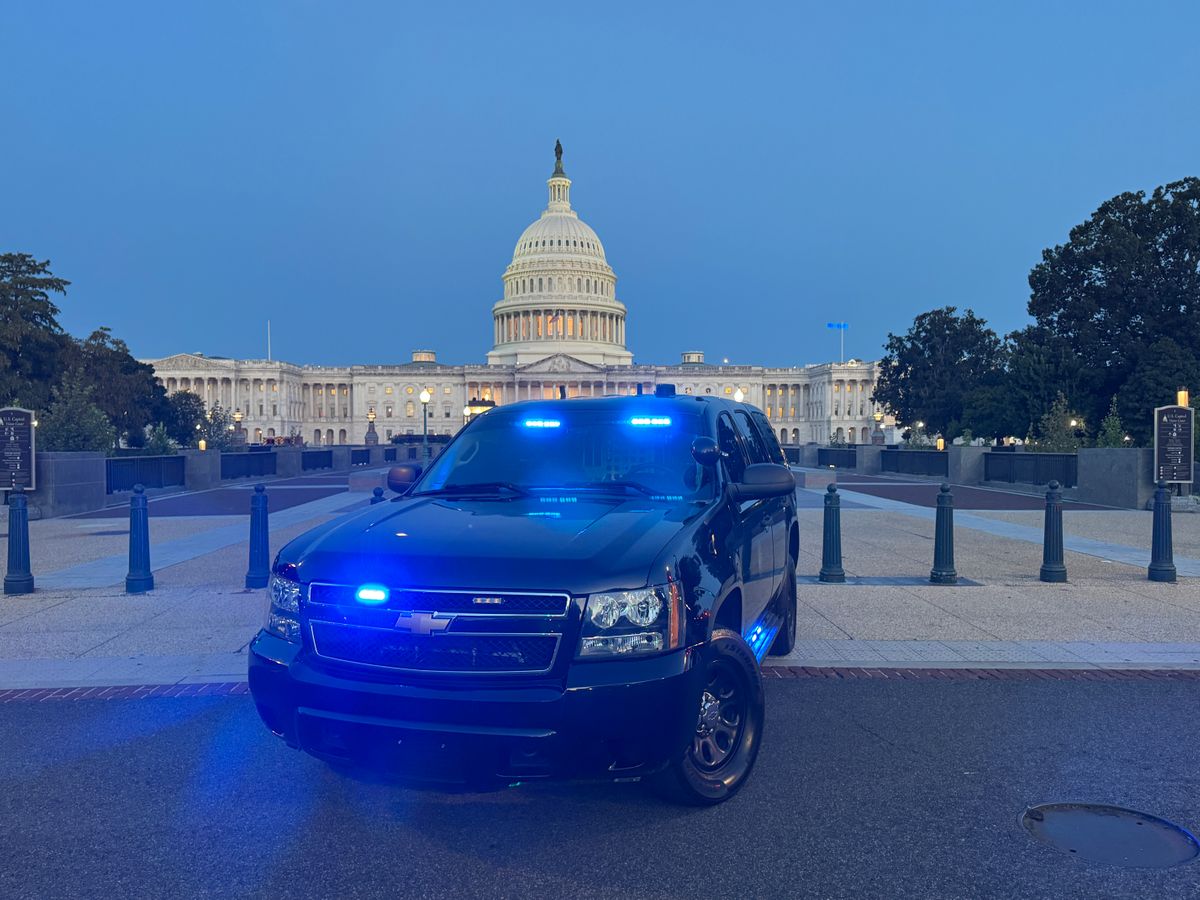
If you are comparing special police vs police, you are likely making a high-stakes decision about safety, authority, and response capability. In Washington, DC, that distinction matters. The right choice affects how incidents are prevented, who can take enforcement action on site, and whether your security posture matches the actual risk facing your property, event, staff, or residents.
Special police vs police: the core difference
The simplest way to understand special police vs police is this: public police serve broad governmental law enforcement functions across jurisdictions, while special police operate under specific legal authority tied to defined assignments, locations, or protective responsibilities. And while Special Police Officers are commissioned law enforcement, they are not interchangeable.
A municipal police department is responsible for general law enforcement throughout a municipality, criminal investigations, emergency response, traffic code enforcement, and community policing across the city or assigned district. Their authority is public, wide-ranging, and rooted in government responsibility.
Special Police Officers, by contrast, are commissioned under a local legal framework to perform law enforcement functions within a defined scope. In DC, that can mean a meaningful level of authority on the property or assignment they are commissioned to protect. This is why special police are often selected for facilities and operations that need a law enforcement presence without the cost of a municipal police agency.
Capitol K9 Detection is a fully commissioned Special Police Department, operating with much of the same law enforcement capabilities as DC Metro Police. This includes but is not limited to Community Patrol Officers, Criminal Investigations, K9 Operations, and Dignitary/Motorcade Escort. Capitol K9 Detection Special Police Officers and their K9 partners are fully sworn law enforcement officers with all the powers and responsibilities associated with that role. This includes the authority to enforce laws, conduct investigations, and make arrests.
Why the difference matters in DC
Washington, DC is not a low-complexity environment. Government buildings, schools, transportation-adjacent sites, corporate offices, residential communities, hospitals, and public events all face different threat profiles. Some need a welcoming front-facing posture. Others need immediate intervention authority, screening capability, and a stronger command presence.
This is where the comparison becomes operational, not academic. If your concern is citywide criminal investigation, broad patrol authority, or response to major crimes across the public domain, DC Metro Police are the appropriate public agency. If your concern is controlling a private or semi-controlled environment, deterring misconduct, responding quickly to incidents on site, and maintaining order within a legally defined mission, special police may be the better fit.
For many properties, the real question is not which one is better. It is which one is aligned to the mission. A medical facility may need controlled access, patient and staff protection, and support for disturbances at entrances. A school may need daily deterrence, incident management, and contraband detection. A high-profile event may need crowd control, perimeter security, and coordinated response under one command structure. Those are not abstract needs. They are deployment questions.
Authority, presence, and scope of action
When clients ask about special police vs police, they are usually asking one thing beneath the surface: who can actually do what when something happens?
Police officers generally have broader statutory authority. They can investigate crimes, make arrests under applicable law, conduct traffic enforcement, and operate throughout their jurisdiction based on departmental powers and public mandate.
Special police authority is narrower, but narrow does not mean weak. They can investigate crimes, make arrests under applicable law, conduct certain traffic enforcement, and operate throughout their contracted jurisdiction. It can be highly effective because it is tied directly to a property, client need, or security mission. That focused authority is often exactly what sensitive sites require. It allows for stronger on-site control than ordinary guard services while preserving a customized, contract-based security model.
There are trade-offs. Police bring broad public power, but they are not assigned to function as dedicated security for every private site. Their availability is shaped by citywide demand, emergency call volume, and public priorities. Special police can provide consistent on-site presence, familiarity with the property, and a command-oriented posture tailored to the client’s operating environment.
That consistency matters. A team that knows your entrances, peak traffic periods, restricted zones, known vulnerabilities, and escalation procedures can often prevent problems before they become police matters.
Special police vs police in real deployment scenarios
The most useful way to evaluate special police vs police is to look at actual use cases.
In a corporate office, police are essential if a major crime occurs or an external emergency unfolds. But they are not typically stationed there to manage daily access control, suspicious-person encounters, internal disturbances, or executive movement support. A special police presence can fill that gap with legal authority and a deterrent posture suited to the site.
At residential communities, residents often want more than someone who watches cameras and writes reports. They want enforcement-backed order at entry points, response to trespassing or disturbances, and personnel who can act decisively while maintaining professionalism with tenants and guests. That is often where special police make sense.
For schools and youth-centered environments, the need is even more specific. Security must be disciplined but measured. Personnel must manage visitor access, identify suspicious behavior, respond to incidents, and support emergency procedures without creating confusion about their role. If contraband risk is part of the equation, K9 screening adds another layer of prevention that public police are not there to provide on a routine contracted basis.
Events create a different challenge. Crowds compress risk. Entrances, backstage areas, VIP routes, parking zones, and bag screening all require coordinated control. Police may still be involved for public safety support or major incidents, but special police and specialized K9 teams can handle much of the planned operational security framework on the ground.
Where K9 capability changes the equation
A standard special police versus police comparison misses one major factor: specialized detection.
In many environments, the issue is not simply who responds after an incident. The issue is whether threats can be identified before they become incidents. That is where trained K9 teams provide measurable value.
Explosive detection, firearm detection, narcotic detection, and contraband searches are specialized disciplines. They require training, certification, handler control, and operational discipline. Public police agencies may have these resources, but they deploy them based on public priorities. They are not a standing screening solution for every private facility, event, or executive movement plan.
A provider that combines commissioned special police authority with K9 detection capability offers a different security model. You are not hiring one team for presence and another for screening. You are creating an integrated posture that covers deterrence, access control, detection, and response. For clients in DC with elevated threat exposure, that integration can close serious security gaps.
Common misconceptions that lead to poor security decisions
One of the biggest misconceptions is that special police are just security guards with a different title. That is not a safe assumption. In jurisdictions like DC, special police are commissioned law enforcement officers. Buyers who fail to understand that often under-purchase security for high-risk sites or over-rely on public police for problems that require dedicated on-site control.
The opposite mistake also happens. Some organizations expect special police to function exactly like a municipal police department in every respect. That is equally flawed. Their authority is powerful within scope, but scope matters. A professional provider should explain those boundaries clearly and build a deployment plan around them.
Another misconception is that visible deterrence alone solves the problem. It helps, but appearance without capability is not enough. The right question is whether personnel have the authority, training, reporting discipline, and specialized support to take effective action when conditions change fast.
How to choose the right model
Decision-makers should start with risk, not labels. Ask what threats are most likely, what consequences are unacceptable, and what kind of on-site action is needed in the first three minutes of an incident. That usually reveals whether basic security, special police authority, police coordination, or a blended model is required.
You should also assess environment. A quiet office with controlled access has different needs than a hospital emergency entrance, a student campus, or a large public event. The more dynamic the environment, the more valuable mission-specific authority and specialized detection become.
In many cases, the strongest approach is layered. Public police remain a critical part of the broader safety system. But for dedicated site protection, immediate intervention, daily order maintenance, and proactive screening, special police can provide the kind of focused operational coverage that public agencies are not structured to deliver on contract.
That is why organizations across the DC area increasingly evaluate security through a capability lens instead of a title lens. They want authority where authority is needed, discretion where discretion matters, and readiness that shows up before the emergency call is made.
Capitol K9 Detection operates in that space by combining commissioned Special Police capabilities with specialized K9 services for clients who need more than passive security presence.
The best security decision is rarely the loudest or the most familiar. It is the one built for your actual exposure, your legal requirements, and the level of control your environment demands.