smith-barren-roscoe (1).jpeg

When Do Businesses Need Special Police?

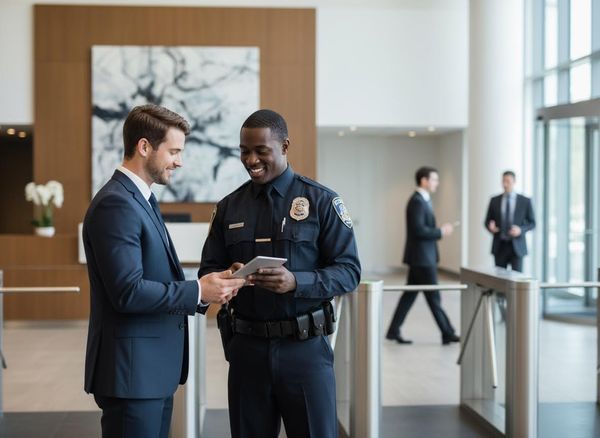
A front desk officer can check badges and log visitors. That is not the same as controlling a volatile trespasser, managing a disruptive crowd, or responding to a serious security breach with law enforcement authority on site. When do businesses need special police? Usually when the threat picture has moved beyond observation and reporting, and the property needs a stronger enforcement presence.

For many organizations in Washington, DC, that line becomes clear only after an incident. A repeat trespassing problem, a workplace threat, contraband entering a facility, or an event that draws large crowds can expose the limits of standard guard coverage. Special Police officers fill a different role. They bring visible deterrence, trained response capability, and, in the right jurisdiction and assignment, specific law enforcement powers that basic security personnel do not have.

1781017454142/image_0.jpeg

When do businesses need special police instead of standard guards?

The answer depends on risk, property type, and the level of authority required on site. Not every business needs commissioned officers. A low-traffic office with simple access control needs may be well served by traditional security staff. But once a site faces repeated disturbances, elevated liability, or a credible chance of criminal activity, the security model often needs to change.

Special Police are typically appropriate when the client needs more than a witness presence. If the assignment involves trespass enforcement, active incident management, rapid response to confrontational behavior, or protection of sensitive spaces where public safety is a real concern, a commissioned security posture may be the better fit. In practice, this often applies to properties where delays in response create unacceptable exposure.

There is also a perception issue, and it matters. The presence of Special Police signals that a property takes enforcement seriously. That can discourage bad actors who would ignore unarmed or minimally empowered staff. At the same time, businesses need to weigh that stronger posture carefully. A more authoritative security presence should match the environment and the actual risk profile, not simply optics.

1782307966441/image_0.jpeg

The business conditions that usually justify Special Police

Some triggers are operational. Others are legal or reputational. Most clients who move to Special Police coverage do so because their site has become harder to manage safely with standard guard services alone.

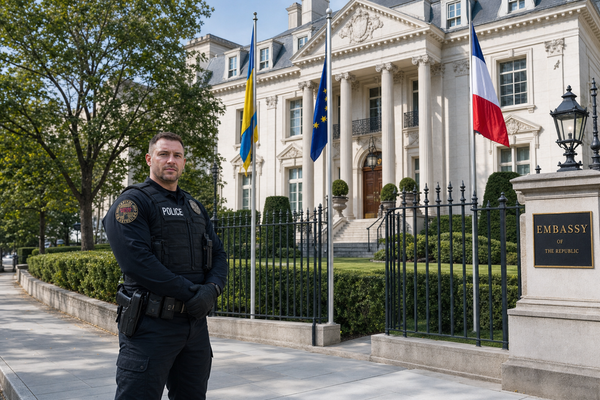
A common example is repeated unauthorized entry. Commercial buildings, residential communities, schools, embassies, and medical facilities often deal with individuals who test boundaries because they know ordinary security may have limited enforcement power. If a property regularly deals with trespassers, hostile visitors, terminated employees returning to the site, or individuals refusing lawful direction, Special Police can provide a stronger and more effective response framework.

Another trigger is high-value or high-sensitivity operations. Corporate offices handling confidential work, government-adjacent facilities, transportation sites, and critical infrastructure environments may require a security posture that is more disciplined, more visible, and better prepared to respond to intentional disruption. In these settings, the cost of a security failure can be operational, financial, and public.

Crowd volume also changes the equation. Public-facing sites and events can shift from orderly to unstable quickly, especially when alcohol, political sensitivity, celebrity presence, or large attendance are involved. Crowd control is not just about managing lines. It is about keeping access points secure, recognizing threat indicators early, and maintaining order before a disturbance spreads.

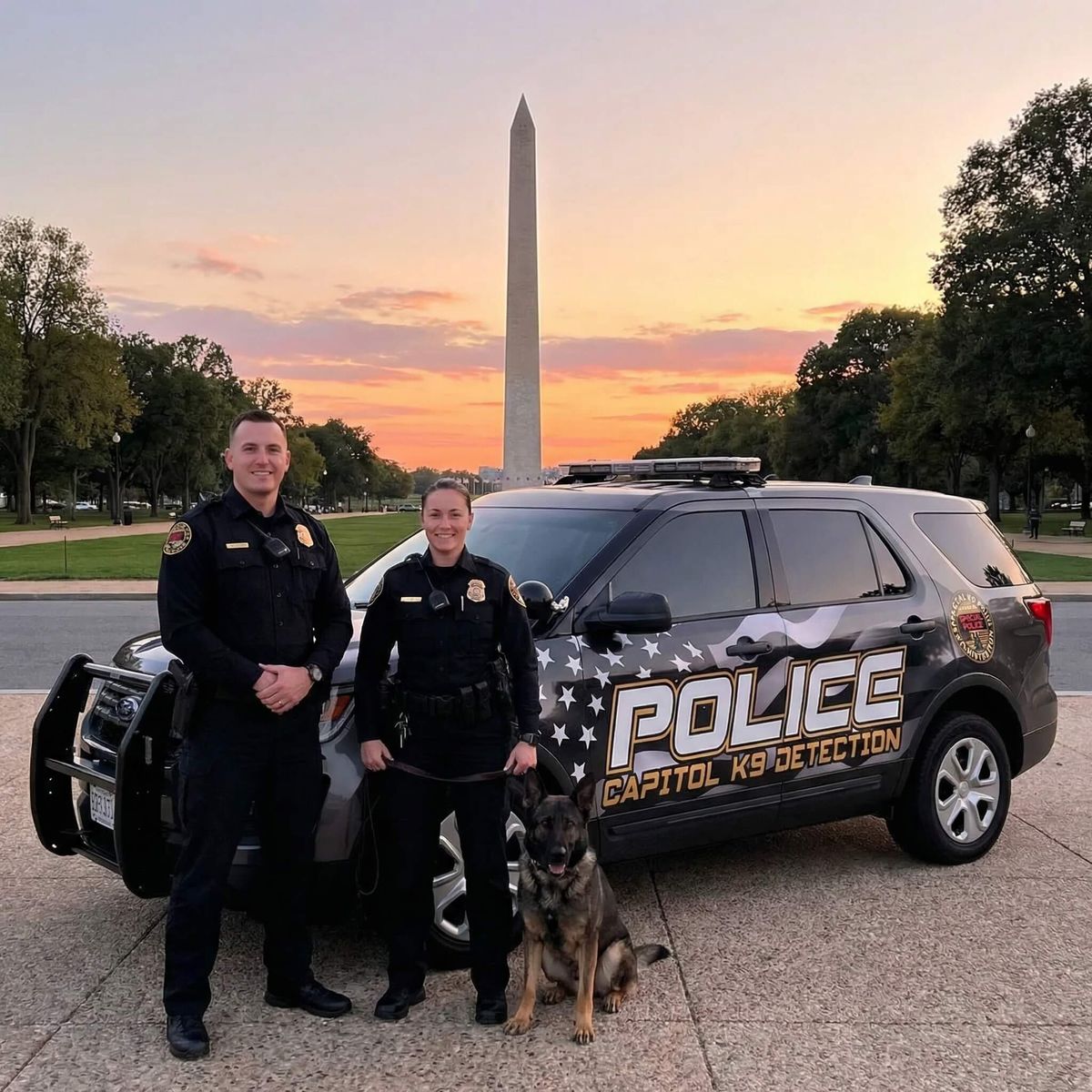
Then there is the issue of contraband and concealed threats. Some businesses do not just need officers - they need integrated protection. A venue concerned about firearms, explosives, narcotics, or other prohibited items may require a deployment that combines Special Police authority with trained detection K9 teams. That blend is especially relevant when screening, interdiction, and enforcement need to happen under one coordinated plan.

special-police-guard-washin.png

Property types where businesses often need special police

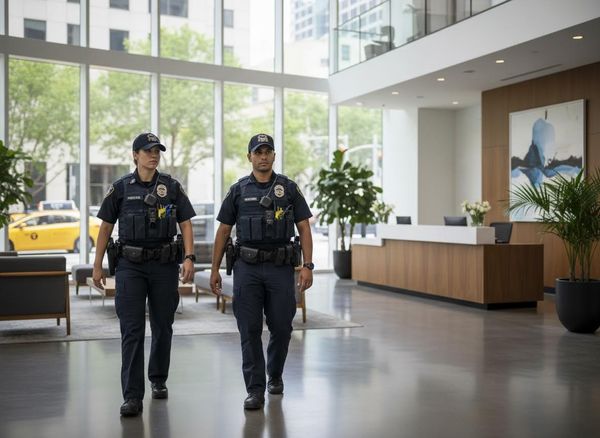
Office buildings are a frequent example, especially multi-tenant properties with public access points, executive suites, or after-hours staffing. These buildings may appear routine, but they often face delivery traffic, visitor screening issues, disgruntled former employees, and vulnerable lobbies. A commissioned presence can help property managers maintain order without relying on delayed outside response for every escalating problem.

Schools and educational campuses also face a distinct challenge. They must remain accessible enough to function while protecting students, staff, and visitors. That balance is difficult when there are custody disputes, unauthorized entrants, student disturbances, or concern about weapons and narcotics. In these cases, the question is not whether security exists, but whether it has the authority and training to act decisively.

Medical facilities operate under constant pressure. Emergency departments, behavioral health settings, clinics, and larger care campuses regularly encounter emotionally charged situations. Visitors may become aggressive. Patients may create unpredictable safety concerns. Staff need protection, but the environment also demands professionalism and restraint. Special Police can support that mission when the risk goes beyond customer service and into active safety management.

Residential communities, especially larger apartment complexes and mixed-use developments, often reach the same conclusion after recurring incidents. Package theft, loitering, unauthorized access, parking disputes, domestic disturbances, and nuisance behavior can wear down a property team. If management is constantly dealing with safety complaints or quality-of-life issues that ordinary patrol cannot control, an upgraded security posture may be necessary.

Events are another category where timing matters. Organizers do not need to wait for a past failure to justify stronger security. A major gathering with VIP attendance, contentious subject matter, valuable assets, or open public access may call for Special Police from the outset. The right deployment can support entry screening, perimeter security, crowd control, and incident response in a way that basic event staffing cannot.

1782308936818/image_0.jpeg

What businesses should evaluate before making the decision

The first question is simple: what are your officers expected to do when something goes wrong? If the honest answer includes stopping trespass, removing disruptive individuals, protecting executives, securing evidence, managing crowd disorder, or responding to credible threats, then the business may already be asking for more than standard security can legally or operationally provide.

The second question is whether local conditions support the need. In Washington, DC, the security environment varies sharply by neighborhood, building use, hours of operation, and public visibility. A law firm with sensitive clientele, a school near a high-traffic corridor, and a residential building with repeated access violations do not face the same risks, but each may need a security model built around authority and readiness rather than passive observation.

Third, businesses should consider integration. Special Police are most effective when they are not deployed as a standalone show of force. They should be part of a broader protective plan that includes post orders, escalation procedures, reporting standards, communications, emergency coordination, and, where appropriate, K9 detection support. Security works best when deterrence, screening, enforcement, and response are aligned.

There is also a cost decision, and it should be approached realistically. Special Police coverage typically represents a higher investment than standard guard services because the role carries more training, more responsibility, and more capability. But businesses should compare that cost to the exposure they are already carrying. One serious workplace violence incident, one preventable access failure, or one public disturbance that damages trust can cost far more than a properly structured protective program.

1782309033553/image_0.jpeg

When the answer is no

Not every business needs Special Police, and saying that clearly matters. If the site is low-risk, the public footprint is limited, and the main requirement is concierge-style presence or routine access control, then a commissioned posture may be unnecessary. Over-securing a property can create friction with staff, visitors, or residents if the environment does not warrant it.

The better approach is to match the response to the actual mission. Some properties need an officer with legal authority. Others need trained security staff supported by periodic patrol, executive protection, or K9 screening during specific periods of elevated risk. Security should be scalable, not exaggerated.

That is why an informed assessment matters more than assumptions. The strongest security plan is not the one with the most visible force. It is the one that fits the threat, the property, and the level of response the client may actually need at 2 p.m. on a weekday or 2 a.m. during a crisis.

In the DC area, businesses that ask this question early usually make better decisions than those forced into one after an incident. If your site requires more than observation, more than deterrence alone, and more than a call for help after the fact, it may be time to evaluate whether Special Police coverage is the right next step.

Partner with Washington D.C.'s Premier Protective Force

Securing vital infrastructure in our nation's capital demands a level of legal precision, tactical experience, and authoritative presence that standard private security firms simply cannot replicate. We invite you to explore our comprehensive protective options and contact us today to learn how our specialized teams can reinforce your operational safety protocols.